
How to Evaluate a Recycling Equipment Manufacturer: Certifications, Factory Audits, Testing and Spare-Part Support
How to Evaluate a Recycling Equipment Manufacturer: Certifications, Factory Audits, Testing and Spare-Part Support
Published in News & Insights · Buying & Selection Guides
By Henan Jiacui Intelligent Equipment Co., Ltd.
Choosing recycling equipment is really two decisions layered on top of each other: which machine, and which company to buy it from. Buyers spend most of their energy on the first and almost none on the second — then discover, three years into ownership, that the decisive difference was never the machine's specification but the manufacturer's ability to support it.
This guide is a due-diligence framework for the second decision. It covers the four things you can actually verify about a manufacturer — certifications, factory capability, testing discipline and spare-part support — and how to verify them without relying on the supplier's own statements.
Start with the question that frames everything: are you buying an asset or a transaction?
A machine that will run for a decade is an asset; the relationship that keeps it running is the transaction that matters. Manufacturers optimised for the transaction — trading companies that resell other factories' machines, or assemblers who source the cheapest components — can look identical on a brochure. The difference only shows up in the four areas below, which is exactly why you should verify all four before signing.
1. Certifications: what they mean and what they do not
Certifications are necessary but not sufficient. They tell you a product and process have been assessed to a recognised standard; they do not tell you the machine is right for your material. Treat them as a floor, then verify they are real and current.
Standard | What it confirms | What to ask for |
|---|---|---|
CE | Conformity with applicable EU health, safety and environmental requirements | Certificate number, issuing body, and the models it covers |
ISO (e.g. ISO 9001) | A documented, audited quality-management system | Certificate, scope, validity dates and certifying body |
CSA / market-specific marks | Compliance with the destination market's electrical and safety codes | Certificate tying the mark to the exact configuration you are buying |
Other market marks | Local import and safety acceptance | Evidence the mark applies to your specific model and voltage |
Certificates are specific: they apply to defined models, configurations and voltages, and they expire. Ask for the certificate that covers the exact machine in your quotation, and verify the issuing body independently. A supplier who cannot produce model-matched certificates is either uncertified or casual about documentation — both are risks to you at import or installation.
2. Factory capability: audit the plant, not the showroom
The single most informative thing you can do in equipment procurement is to see the factory. A good manufacturer will not only permit this but encourage it. If travel is not possible, a live video walk-through is a reasonable substitute — live, unedited, with the camera moving where you ask.
What to look for, in order:
- Scale and continuity. Is there a real assembly floor with machines in progress, or a warehouse of finished units bought in? Look for work-in-progress, jigs, tooling and a production schedule.
- Fabrication depth. Are they cutting, welding and machining their own structures, or is everything outsourced? In-house fabrication is a proxy for engineering control and the ability to support a machine over its life.
- Quality gates. Are there inspection points, measurement records, and a documented test before dispatch? Ask to see a completed inspection record.
- Component provenance. Recognised brands in bearings, drives and control gear are a signal of intent. Unknown substitutions are a signal of cost-cutting where it matters most.
- Engineering and testing capacity. Is there a test bay where machines are run before shipping? Does the company employ engineers, or only salespeople?
For context, a serious solid-waste recycling equipment manufacturer will typically operate a substantial purpose-built facility and a workforce in the hundreds, and will be able to show you multiple installed references in your region and material type. Ask for names and contact details, and call them.
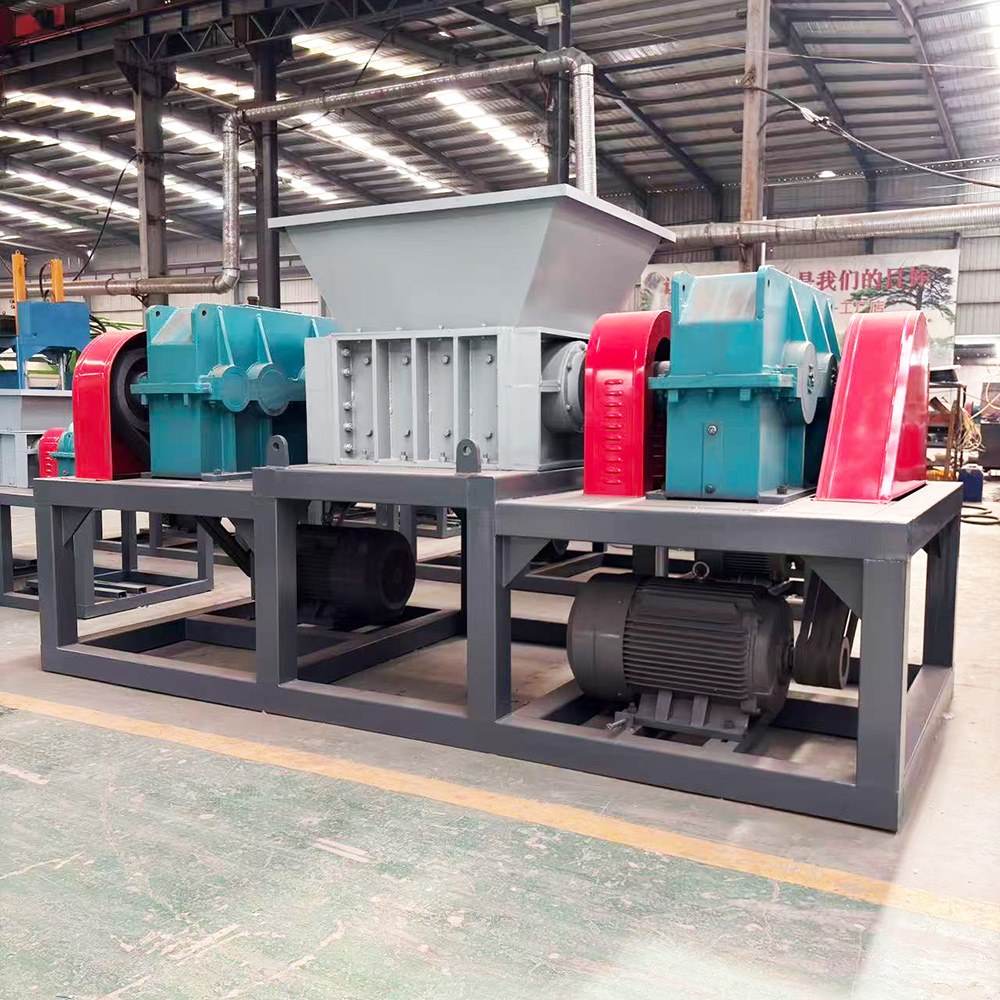
Heavy-duty recycling machinery demands in-house fabrication and rigorous quality gates. A factory audit confirms both far more reliably than any brochure.
3. Testing discipline: insist on evidence, not promises
Every performance claim a manufacturer makes should be backed by a test you can see or verify. The maturity of a manufacturer's testing discipline is one of the clearest signals of how the machine will behave in your plant.
- Ask for a factory acceptance test (FAT). Machines should be run under load before dispatch. Request the test record, and where practical, the video.
- Send your own material. A performance test on your feed — a mass balance for a granulation line, a throughput and output-size test for a shredder — is the most valuable evidence you can obtain. A manufacturer confident in their design will welcome it.
- Define the acceptance criteria in the contract. Purity, throughput, output size, power draw, noise and dust — whichever matter to you, stated numerically and tested at commissioning.
- Witness the commissioning run. The acceptance test at start-up, on your material, with the results recorded and signed, converts performance promises into obligations.
A manufacturer who resists testing, or who only ever demonstrates on their own favourable sample, is protecting a claim rather than proving a capability. The willingness to test is itself a buying criterion.
4. Spare-part and after-sales support: the twenty-year decision
Here is where the true cost of a manufacturer reveals itself. Machines based on standard, recognised components can be maintained almost anywhere in the world. Machines built on bespoke parts are, in effect, tethered to their maker for parts and expertise.
- Standard components. Bearings, seals, drives and fasteners in common international sizes can be sourced locally; confirm the machine is built that way.
- Wear-part policy. Blades, screens and separator parts are consumables. Ask what they cost, how long they take to ship, and whether the manufacturer stocks them or makes them to order.
- Documentation. Every machine should ship with a parts manual, maintenance schedule, wiring diagram and operating instructions in your language. Its absence is a warning.
- Installation and training. Confirm who attends commissioning, what training is provided, and whether operating staff are trained on your material.
- Remote and on-site support. Ask what happens when the line stops at 2 a.m. — what remote support exists, and how quickly a technician can be on site or parts can be dispatched.
Buyers routinely discount this section and then pay for the omission many times over. A manufacturer whose answers here are vague or evasive has told you the most important thing about your future ownership experience.
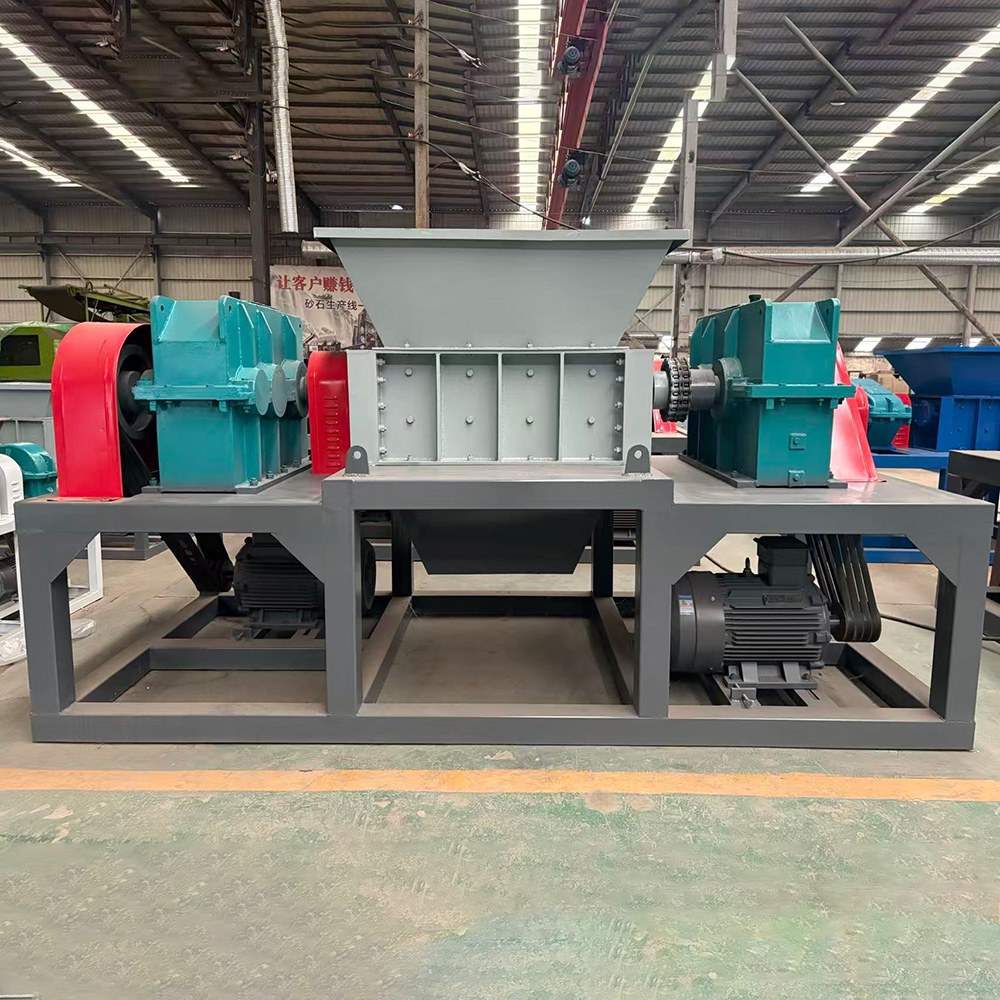
Build quality is not the only thing to verify. Standard, internationally available components are what keep a machine serviceable far from its maker.
A practical due-diligence scorecard
Score each candidate manufacturer one to five on the following, and use the total alongside the machine specification and price. The exercise routinely reorders options that looked identical on paper.
Area | Evidence required | Red flag |
|---|---|---|
Certifications | Model-matched, current certificates from verifiable bodies | Vague or expired documents, or none |
Factory | Live audit or video walk-through, work in progress | Warehouse only, no production visible |
Fabrication | In-house cutting, welding, machining | Fully outsourced, no engineering staff |
Engineering | Qualified engineers, test bay, documented tests | Sales-only contact, no technical staff |
Testing | FAT records, willingness to test your material | Unwilling to test on customer feed |
Components | Recognised bearings, drives and control brands | Unbranded or substituted parts |
Spares | Standard parts, stated lead times, stocked wear items | Bespoke parts, no stock, vague lead times |
References | Contactable installations in comparable markets | No references or unwilling to disclose |
Support | Documented support channels, training, warranty terms | No documentation, warranty in words only |
Two or three red flags in one row is a pattern; two or three across different rows is a company. Either is enough to justify a second look before committing capital.
How a buyer should run the process
- Write your material and duty-cycle specification first, and only talk to manufacturers who engage with it seriously.
- Request model-matched certifications, a factory audit or live video walk-through, and references up front.
- Send a representative material sample for performance testing, and require a mass balance or throughput result.
- Convert every performance claim into a numerical acceptance criterion with a defined test method and remedy.
- Verify spare-part availability and lead times for wear items before signing.
- Witness commissioning, record the acceptance test, and hold the manufacturer to it.
Frequently Asked Questions
Are certifications like CE and ISO a guarantee of quality?
No. They confirm conformity to defined standards and, for ISO, the existence of an audited quality system. They reduce risk but do not replace a factory audit, material testing and reference checks. Use them as a baseline verification, then look at capability and testing discipline for the rest of the picture.
Do I really need to send my own material for testing?
If the performance claim matters to your business case — throughput, purity, output size — yes. Testing on the manufacturer's own favourable sample tells you the best case, not your case. The cost of a sample shipment is trivial against the cost of discovering the shortfall after installation.
What is the most common mistake buyers make when selecting a manufacturer?
Letting price decide and treating the rest as documentation. The machine's purchase price is the smallest part of its lifetime cost; the manufacturer's ability to keep it running — through standard parts, good documentation and real support — is the largest. Buyers who evaluate the company as carefully as the machine are the ones who are still satisfied at year five.
How many references should I check?
Enough to see a pattern. Aim for at least two or three installations running comparable material, ideally in markets similar to yours, and ask pointed questions: how the machine has performed, how the manufacturer has responded to problems, and how quickly spare parts arrive when needed.
Get a Selection Review
Ask Jiacui for model-matched certification documents, a live factory walk-through and a reference list in your region and material type — and send us a sample to test before you commit.
Contact us for a specification review, a factory audit video call or a reference list of installations running comparable material.